Why Airplane Seats Are Orange: The Science Behind Your Seat
The reason airplane seats are orange is not a simple interior design choice. It is where science and psychology meet to save lives.
A Historical Turning Point
Following an aircraft accident at Tokyo International Airport in Japan in 1963, airlines around the world began reconsidering seat colors. Analysis of survivor testimonies revealed that the primary cause of death was passengers' inability to find exit paths through thick smoke. Singapore Airlines was the first to apply this lesson to the aviation industry.
Founded in 1965, Singapore Airlines adopted orange seats—a departure from the gray or black seats used by other carriers. It was not a simple aesthetic choice, but a decision grounded in safety data.
Visibility Through Smoke
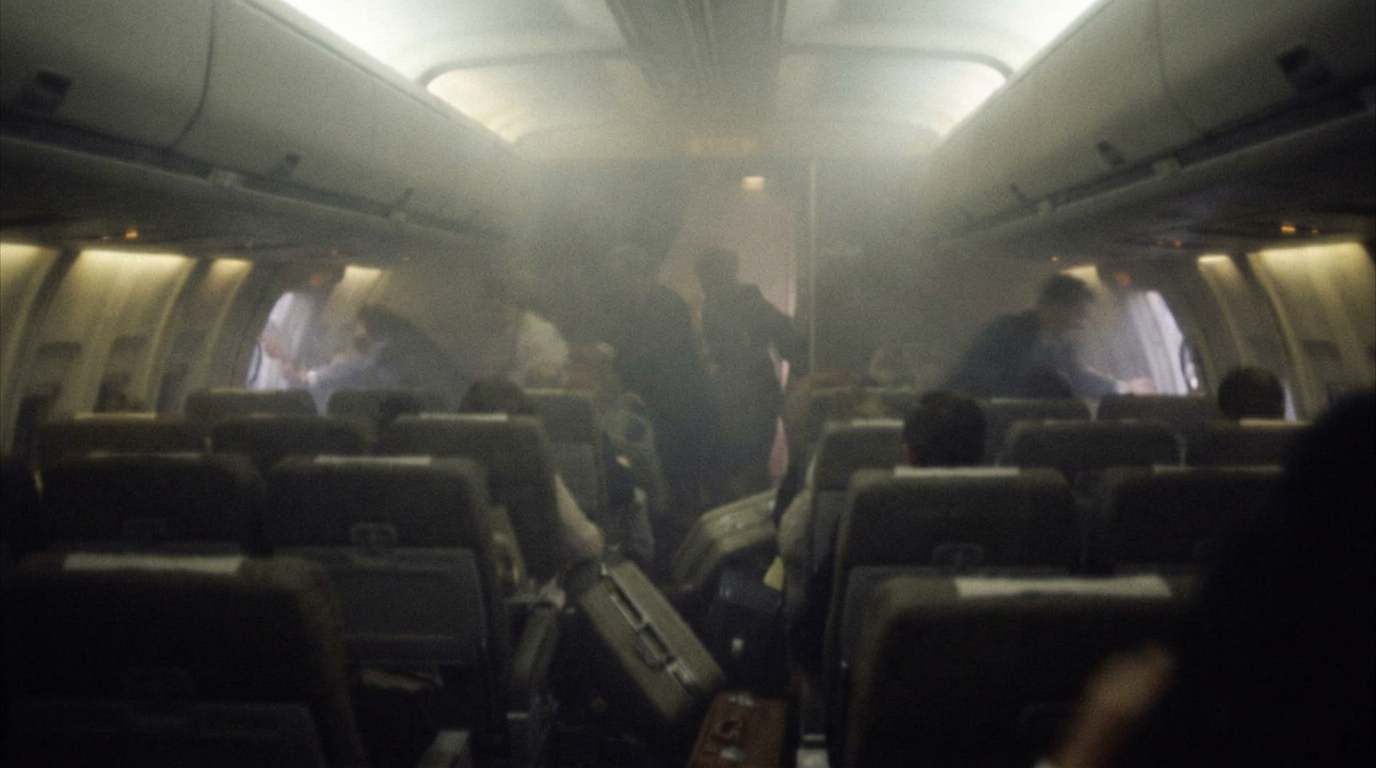
In an emergency, an aircraft's interior quickly fills with thick smoke. In this environment, seat color becomes critical.
Orange has high visual brightness. Compared to gray or black, orange is visible from much greater distances even in smoke-filled conditions. According to records, in a smoke test conducted by Singapore Airlines in 1968, gray seats were identifiable only at limited distances, while orange seats remained clearly visible from more than twice that distance. This meant passengers could follow the seat outlines to locate the aisles.
The Psychological Effect
Improved survival rates from orange seats were not solely about visibility. Color psychology played a crucial role.
Orange is a warm-toned color. It can provide psychological comfort even amid the extreme stress of an emergency. Research on how color affects human reaction times suggests that warm and neutral tones can mitigate panic responses. Singapore Airlines' cabin crew training reflected this principle—crew members provided clear, authoritative guidance during emergencies.
A Real Case Study
In 1972, a Singapore Airlines aircraft faced an emergency landing due to severe weather. Shortly after touchdown, a fire broke out and smoke spread rapidly throughout the cabin. Despite the thick smoke, most passengers safely evacuated by following the orange seats. Aviation safety experts later concluded that the orange seats, combined with the cabin lighting system and clear aisle markings, had been instrumental in the evacuation's success.
Industry-Wide Adoption
Singapore Airlines' choice quickly became the industry standard. Throughout the 1970s, the U.S. Federal Aviation Administration (FAA) and the International Air Transport Association (IATA) strengthened visibility standards for aircraft seats. Major carriers—British Airways, Lufthansa, Air France, and others—switched to orange.
While some airlines chose other bright colors such as red or yellow, the underlying principle remained constant: visibility during emergencies is paramount.
Science in Simplicity
The orange color of airplane seats represents a convergence of physics, psychology, and ergonomics. Singapore Airlines' decision prioritized safety over cost. Orange fabric was necessarily more expensive than gray. Yet they made the change, and that decision transformed the entire industry.
For nearly six decades now, virtually every airline has followed Singapore Airlines' example. Next time you board a plane, look at your seat. It's not mere decoration—it's a life-saving device born from one airline's safety-first vision nearly half a century ago.
'✈ 비행과 공부 > 가볍게 읽는 글' 카테고리의 다른 글
| Emirates Flight 521 — The Evacuation Slide That Saved 300 Lives (0) | 2026.05.26 |
|---|---|
| 에미레이츠 521편 — 탈출슬라이드가 구한 300명의 생명 (0) | 2026.05.26 |
| 역사의 전환점 - 생명을 살리는 비행기 좌석 구조 (0) | 2026.05.25 |
| Episode 12 — Why Airplane Windows Are Round (0) | 2026.05.24 |
| 12편 — 비행기 창문이 동그란 이유 (0) | 2026.05.24 |


댓글